
NYC’s Strike Moment, New York’s Safety Laws, and Why “Non-Tracking” Matters
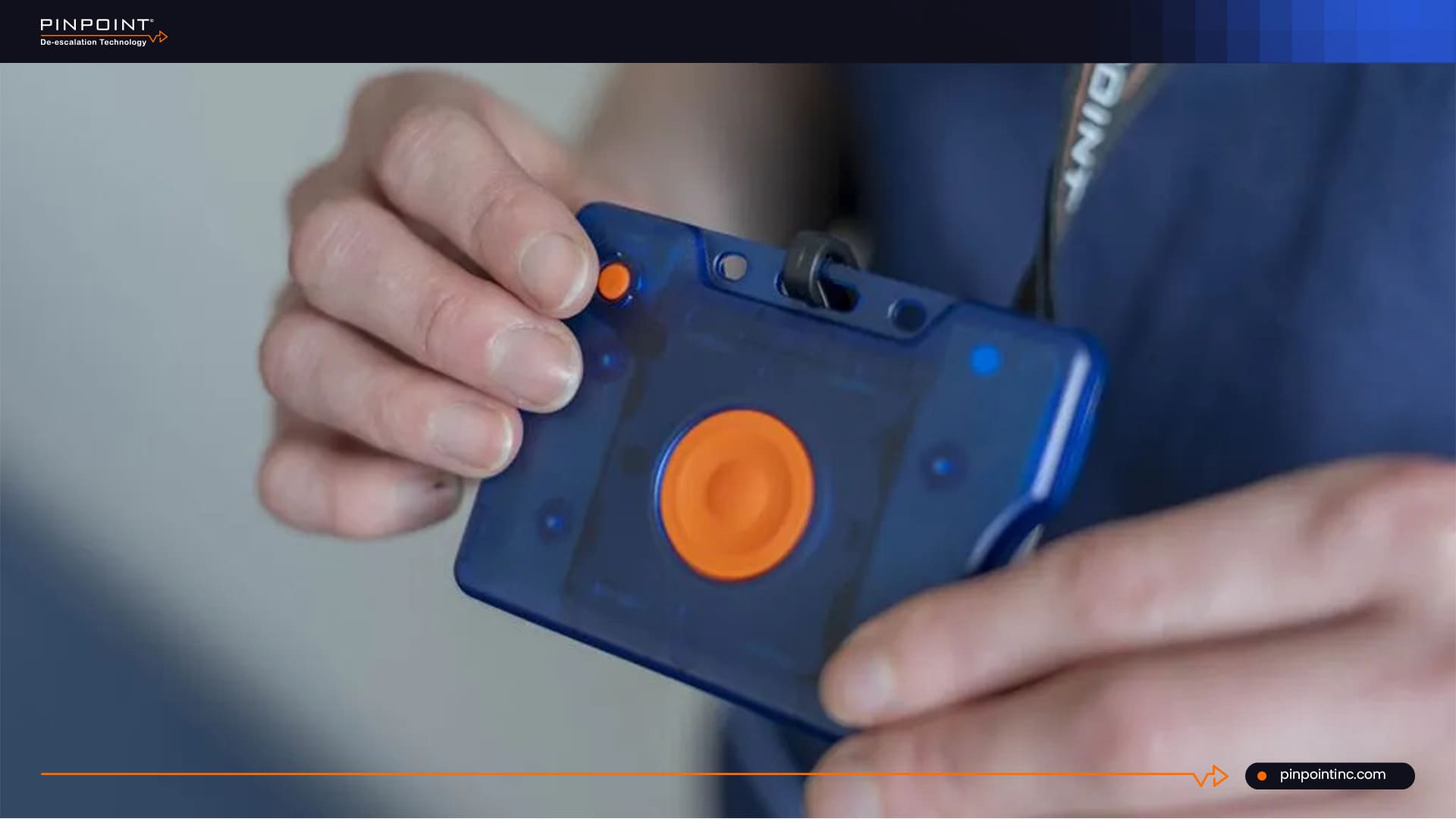
New York City is having a very public conversation right now about what “workplace safety” actually means and what workers should reasonably expect when they show up for a shift. That conversation is being amplified by a major NYC nurses strike, state action from Governor Kathy Hochul, and a growing wave of workplace violence prevention laws that increasingly include panic buttons as a core requirement.
And there’s one detail that keeps coming up, quietly but consistently: workers want safety tools, not surveillance tools.
That’s exactly where Pinpoint’s non-tracking wearable panic button fits, as a practical, employee-first response that improves safety without creating a “big brother” work environment.
What’s happening in NYC: the nurses strike is about safety, not just pay
“The Governor of NYC”… and what New York’s leaders are actually doing
Quick clarification: NYC doesn’t have a governor, New York State does, and the current Governor is Kathy Hochul. In response to the strike’s impact during flu season, Hochul declared a disaster emergency to help hospitals manage staffing disruptions and continuity of care.
At the same time, the state has been moving toward stronger workplace safety protections, especially related to workplace violence.
New York’s workplace violence direction: panic buttons are becoming the standard
Over the past year, New York State has passed and expanded workplace safety protections that increasingly emphasize prevention, training, and response tools.
One of the clearest examples is the Retail Worker Safety Act, which requires covered employers to implement workplace violence prevention measures, including panic or silent response buttons. We are suspecting that this will be implanted in Healthcare next, especially after the strike.
And the key detail many employees care about:
The panic button cannot be used to track employee locations except when the button is triggered.
That language is not accidental. It reflects a very specific policy intent:
Give workers a way to call for help fast
Do not turn safety into tracking
This is the exact balance Pinpoint is built for.
The tracking fear is real and it’s part of why safety tech gets rejected
When companies introduce “wearables,” workers often hear:
- “This will keep you safe.”
- …but also feel: “This will monitor me.”
That trust gap matters, especially during union activity or a strike climate. Because if staff believe a panic button is also a tracking device, the tool starts to feel less like protection and more like pressure.
New York law itself signals that this concern is widespread, that’s why it explicitly limits tracking to emergency activation scenarios.
Why Pinpoint’s non-tracking wearable panic button is the right answer
1) It improves safety without turning into surveillan
- No location monitoring during normal work
- No “where were you?” culture
- No constant oversight disguised as safety
2) It directly answers a common strike demand: “Give us a way to call for help”
One of the loudest workplace safety demands across industries is simple:
“When something goes wrong, we need immediate backup.”
In the nurse’s strike, workplace violence protection is part of what workers are fighting for. A wearable panic button is a direct, tangible response to that exact request.
3) It supports de-escalation by reducing response time
- a verbal conflict
- a confused or aggressive visitor
- a frustrated patient/customer
- an angry member of the public
- faster supervisor intervention
- faster security response
- a calm second presence (often the difference-maker)
- safer de-escalation before it becomes physical
The bottom line: safety works best when workers trust it
- a fast way to call for help
- support in escalating situations
- a real step toward workplace violence prevention
- without turning safety into surveillance
Page Navigation
- What’s happening in NYC: the nurses strike is about safety, not just pay
- “The Governor of NYC”… and what New York’s leaders are actually doing
- New York’s workplace violence direction: panic buttons are becoming the standard
- The tracking fear is real and it’s part of why safety tech gets rejected
- Why Pinpoint’s non-tracking wearable panic button is the right answer
- The bottom line: safety works best when workers trust it
Author:
Jordan Belous
Chief Marketing Officer of Pinpoint North America, where she leads marketing strategy, brand development, and digital growth initiatives. She earned a Bachelor of Science in Allied Health with a concentration in physical therapy sciences from the University of Tampa, bringing a unique interdisciplinary perspective that blends healthcare knowledge with modern marketing strategy.
Jordan writes about workplace violence prevention in healthcare, nurse safety, staff wellbeing, and emerging healthcare technologies that support frontline teams. Her work explores how hospitals and behavioral health facilities can build safer environments, reduce burnout and turnover, and implement safety systems that protect staff while preserving trust and dignity.
She is also the Chief Executive Officer of Whip Pediatric Cancer, a nonprofit dedicated to supporting children battling cancer and raising awareness and funds for pediatric cancer. Through her work with Whip, Jordan regularly visits pediatric cancer patients in hospitals and spends time alongside patients, families, and the clinicians who care for them. These experiences place her directly beside nurses and healthcare teams every day and reinforce her belief that the people providing care deserve to feel just as safe as the patients they serve.
Her experiences with Whip and her work at Pinpoint are closely connected, both driven by her deep respect for nurses and frontline healthcare workers. Seeing firsthand the compassion, resilience, and critical role nurses play has strengthened her commitment to advocating for safer healthcare environments and ensuring that those who dedicate their lives to caring for others have the protection and support they deserve.